
Match the support to the running injury
| What hurts | Likely culprit | Running-compatible support |
|---|---|---|
| Ache behind the kneecap, worse on hills and after sitting | Runner's knee (PFPS) | Patellar strap or light tracking sleeve |
| Pinpoint pain below the kneecap | Patellar tendonitis | Patellar strap |
| Burning outer knee, arrives mid-run | IT band syndrome | Light compression sleeve; fix is hip strength and load |
| Diffuse ache and mild swelling after long runs | Early arthritis or overload | Knit compression sleeve |
| Giving way on trails or turns | Instability | Stop and get examined; hinged support after assessment |
What makes a brace run-worthy
- Knit, breathable fabric: neoprene saunas are for cold-weather walks, not tempo runs.
- Flat or covered seams behind the knee, the chafe zone that ends runs.
- Gripper bands, not tightness, for staying power: a sleeve that needs to be extra tight to stay up is mis-sized.
- Low bulk: anything that alters your stride creates new problems while solving old ones.
The honest part: braces manage, training cures
Almost every running knee complaint above is a load-management story at its core. The strap or sleeve buys you comfortable training; the cure is the progressive strength and load work in our exercise guide and a training plan that respects the 10 percent rule more than your race calendar does. A brace that lets you keep ignoring the cause is not helping you.
Matched supports mentioned in this guide
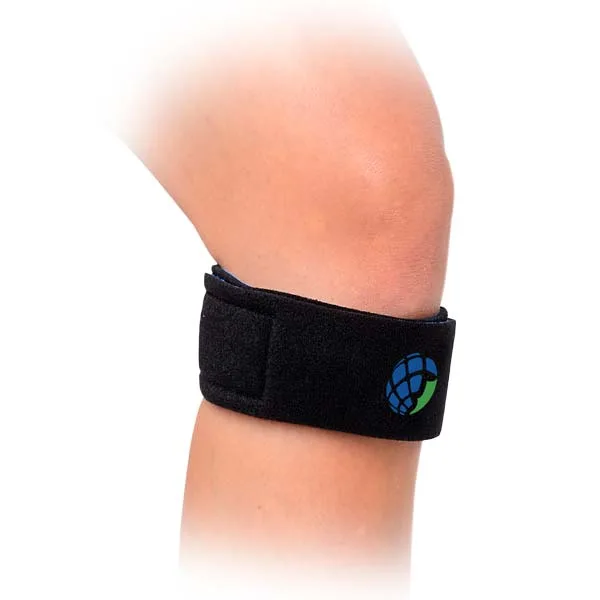
Patella Knee Strap
Focused compression on the patellar tendon to reduce traction pain from running and jumping. Slim enough to wear under clothing.
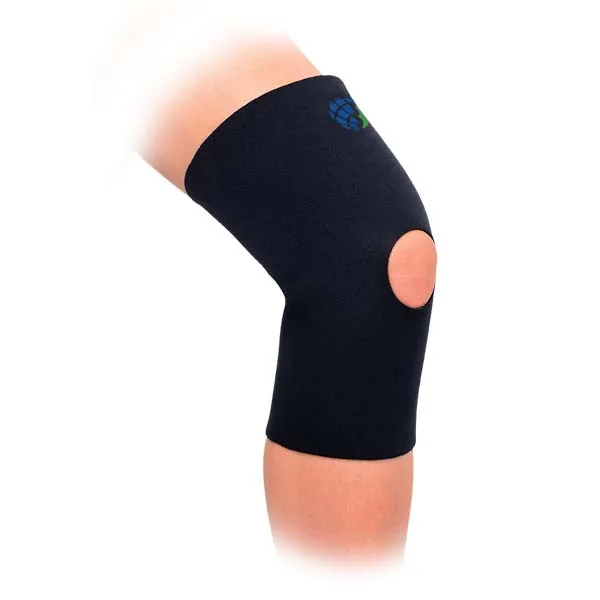
Sport Knee Sleeve Support
Low-profile knit sleeve built for training days: graduated compression, a contoured fit, and fabric that moves with you.
Frequently asked questions
Will running in a brace change my gait?
A slim strap or knit sleeve, fitted correctly, measurably changes very little. Bulky hinged braces do alter stride mechanics, which is acceptable when protection demands it but is a real cost otherwise, one more reason not to over-brace a simple overuse issue.
Should I wear the brace on every run or only when it hurts?
During the symptomatic rebuild phase, wear it for the runs that historically provoke symptoms (longer, hillier, faster) and go without on easy days to keep the unbraced knee conditioned. As symptoms fade with rehab, taper brace use; most runners retire the strap rather than depend on it.
Can a knee brace prevent runner's knee from coming back?
By itself, no. Recurrence prevention lives in hip and quad strength, sensible load progression, and cadence work. A strap on race day for confidence is fine; a strap instead of strength work is the relapse plan.