
What is irritated, in plain language
Your kneecap rides in a groove on the thigh bone, sliding several centimeters every time the knee bends. Pressure between kneecap and groove multiplies with knee bend, reaching several times body weight on stairs and deep squats. When training load, hip control, or tracking mechanics push that pressure past what the joint is conditioned for, the tissue complains. That complaint is patellofemoral pain.
The reassuring part: in most cases imaging is normal. This is an irritated joint, not a damaged one, and irritation calms down when load is managed well.
Why it happened to you
- Training spikes: mileage, hills, or stairs added faster than tissue adapts, the classic story.
- Hip weakness: when hip abductors fatigue, the knee drifts inward and the kneecap loads unevenly. This is the most consistent rehab target in the research.
- Quad and tracking factors: tight lateral structures and a kneecap that hugs the outside of its groove.
- Long sitting: sustained bend keeps pressure on the irritated cartilage, hence the "movie theater sign" of pain after sitting.
The fix: load management plus strength, with support
- Cut the aggravators, keep the rest: reduce hills, stairs, and deep bends for a few weeks while staying active in pain-free ranges. Total rest deconditions the joint.
- Hip and quad strengthening two to three times weekly is the engine of recovery; expect six to twelve weeks of honest work.
- Patella support during activity: a strap or tracking brace can take the edge off symptoms enough to train comfortably, which is its real job.
- Rebuild gradually: return load in steps, watching next-morning symptoms as the honest scoreboard.
Typical recovery timeline
Every knee heals on its own schedule; treat these ranges as a common pattern, not a deadline. Your clinician's plan always takes priority.
- 1Weeks 0 to 2Calm it down
Trim aggravating load, keep pain-free activity, start hip and quad activation work.
- 2Weeks 2 to 6Build capacity
Progressive strengthening, controlled stair and incline reintroduction.
- 3Weeks 6 to 12Return to full load
Mileage and intensity rebuild in steps. Most cases resolve in this window with consistent rehab.
Bracing options our specialists match for this condition
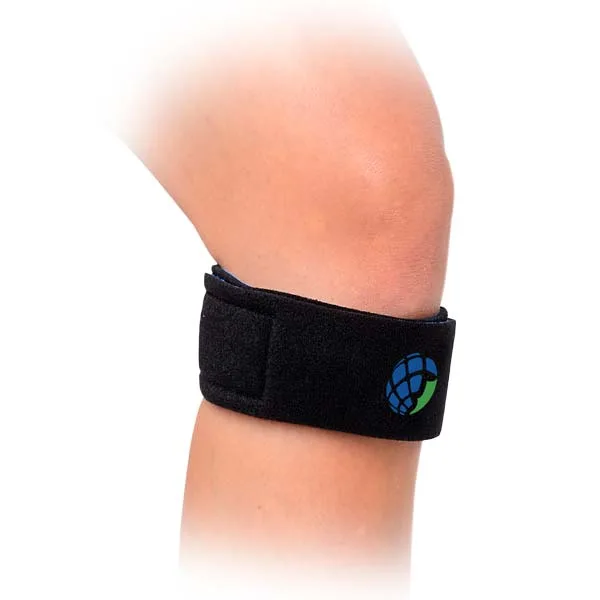
Patella Knee Strap
Focused compression on the patellar tendon, a slim, immediate-relief option for runs, stairs, and court sport.
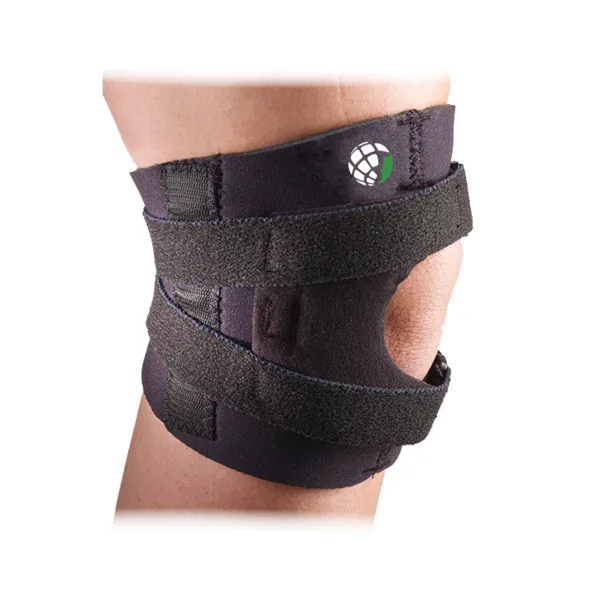
Patella Tracer PF Knee Brace
Lateral buttress guides kneecap tracking for cases where the kneecap clearly pulls outward, with full sleeve support.
Frequently asked questions
Is runner's knee actual damage?
Usually not. Most patellofemoral pain shows no structural damage on imaging; it is an overloaded, irritated joint surface. That is genuinely good news: irritation responds to load management and strength work, typically within weeks to a few months.
Should I stop running completely?
Rarely. Most cases tolerate reduced, flatter, slower running while rehab proceeds, and staying active preserves the conditioning you need. The rule of thumb clinicians use: symptoms during and after activity should stay mild and settle by the next morning.
Do patella straps work?
For symptom relief during activity, yes, many patients feel an immediate difference: the strap changes how force spreads through the tendon and kneecap. Think of it as a comfort and confidence tool that lets you train, while strengthening does the lasting work. Our patella support guide compares straps and sleeves with buttresses.
Why does sitting make my knee hurt?
A bent knee presses the kneecap into its groove continuously. Healthy joints shrug that off; an irritated one aches. Break up long sits, extend the leg when you can, and expect this symptom to fade as the joint calms.