

What the ACL does
The anterior cruciate ligament runs through the center of the knee, connecting the thigh bone to the shin bone. Its job is rotational control: it stops the shin from sliding forward and the knee from collapsing inward during cutting, pivoting, and landing. That is why ACL injuries cluster in sports built on those movements, including soccer, basketball, skiing, and football, and why a torn ACL announces itself exactly when you plant and turn.
Most ACL injuries are non-contact. A typical story is a hard plant with the knee slightly inward, a pop, and going down without anyone touching you.
Symptoms: how an ACL tear typically feels
- A pop heard or felt at the moment of injury, reported in most complete tears.
- Rapid swelling within the first few hours, because the ACL bleeds into the joint when it tears.
- Instability: the knee buckles or feels like it will give way, especially turning or descending stairs.
- Deep pain that is hard to point to with one finger, unlike ligament sprains on the sides of the knee.
- Loss of full motion, particularly the last few degrees of straightening.
Partial sprains (grade 1 and 2) produce milder versions: pain and swelling without the dramatic giving way. Only an exam, and usually an MRI, can grade the injury reliably.
Surgery or rehab? How the decision actually gets made
Not every torn ACL gets reconstructed. The honest framing clinicians use is about demand: how much rotational stress will you put on this knee for the rest of its life?
- Reconstruction is usually favored for younger patients, athletes returning to cutting and pivoting sports, people with physically demanding jobs, and knees that keep giving way during rehab.
- Structured rehab without surgery can serve lower-demand patients well: straight-line activities like cycling, swimming, and jogging tolerate an ACL-deficient knee far better than pivoting sports do.
Either path runs through the same first stop: calming the swelling, restoring full motion, and rebuilding the quadriceps. A strong, quiet knee going into surgery measurably improves the outcome coming out of it.
Typical recovery timeline
Every knee heals on its own schedule; treat these ranges as a common pattern, not a deadline. Your clinician's plan always takes priority.
- 1Days 0 to 14Calm the knee down
Swelling control, gentle range of motion, and protected weight bearing. Many clinicians use an immobilizer or hinged brace early, especially when other structures are injured.
- 2Weeks 2 to 6Restore motion and activation
Full extension is the priority, along with waking the quadriceps back up. If surgery is planned, it is often scheduled in this window once the knee is quiet.
- 3Weeks 6 to 16Rebuild strength
Progressive loading: squats, leg press, step work, balance training. A hinged brace adds confidence during the return to daily demands.
- 4Months 4 to 9Return to running and sport prep
Straight-line running, agility progressions, and sport-specific drills, guided by strength and hop testing rather than the calendar.
- 5Months 9 to 12+Return to sport
Full clearance after reconstruction typically lands in this range. Returning earlier than testing supports is the most common re-tear story.
Bracing options our specialists match for this condition
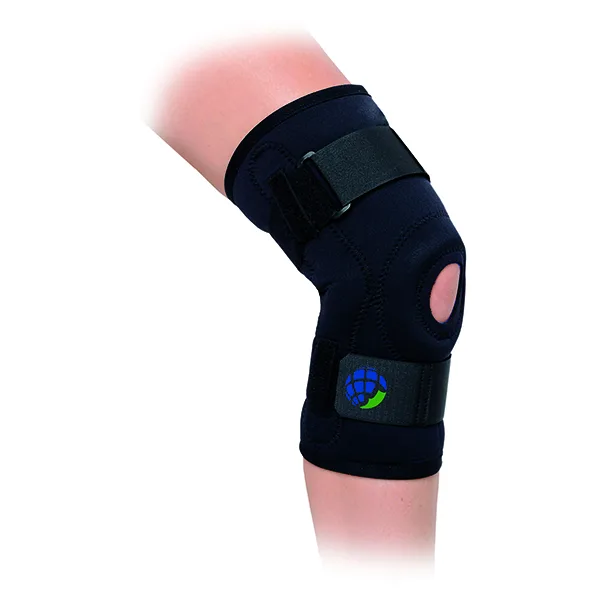
Deluxe Hinged Knee Brace
Dual aluminum hinges resist side-to-side collapse, the failure pattern ACL-deficient knees fear most. Our most matched brace for ACL rehab and return to activity.
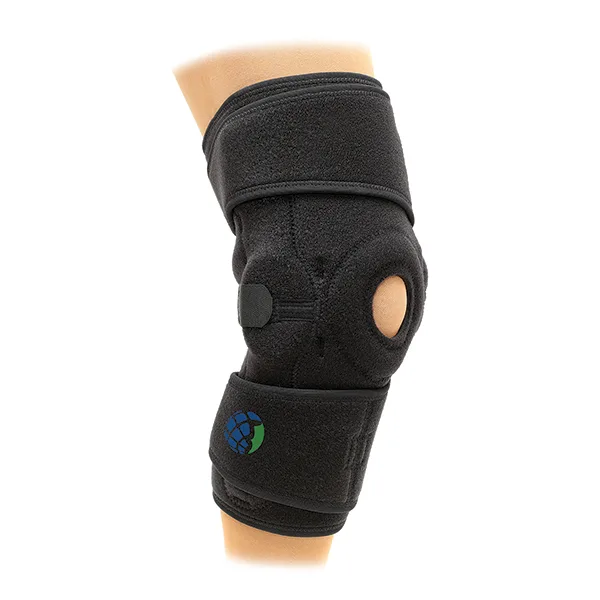
Gator Wrap Universal Hinged Knee Brace
Wrap-around design goes on without pulling anything over a swollen, painful knee, which makes it the usual match in the first weeks after injury.
Frequently asked questions
Can an ACL tear heal on its own?
A complete tear cannot reliably knit itself back together because the ligament retracts and the joint fluid environment works against healing. Partial sprains can heal functionally with rehab. Some complete tears are managed without surgery, but that is the knee adapting around the deficit through strength and control, not the ligament regrowing.
Do I need a knee brace after an ACL injury?
In the acute phase, many clinicians use a brace or immobilizer to protect the knee while swelling settles, particularly with combined injuries. During rehab and return to activity, a hinged brace adds side-to-side support and, just as importantly, confidence. Evidence on braces preventing re-tears is mixed, so treat a brace as a support for a good rehab program rather than a substitute for one.
How long until I can walk normally?
Most people walk without crutches within one to three weeks of injury once swelling and quadriceps control allow, sooner for partial sprains. After reconstruction, expect crutches for one to two weeks and a normal-feeling gait within four to six weeks.
What brace is best for an ACL injury?
A hinged brace is the standard recommendation: rigid side supports resist the inward collapse that an ACL-deficient knee tolerates poorly. For acute, swollen knees a wrap-around hinged design avoids dragging a sleeve over a painful joint. Our hinged brace guide compares the options.