

Two very different kinds of tear
Acute tears happen to younger, active knees: a deep squat under load, a twist with the foot planted, a sports collision. The tear is a discrete event in otherwise healthy cartilage.
Degenerative tears happen gradually as menisci dry and stiffen with age, often appearing after trivial movements, or no remembered event at all. After 50, degenerative tears are extremely common, show up on MRIs of pain-free knees, and frequently travel together with early arthritis.
This distinction drives everything that follows, including whether surgery is even on the table.
Symptoms
- Joint-line pain: tenderness you can poke along the seam between thigh and shin bone, inner side far more often than outer.
- Clicking or catching with bending, squatting, or twisting.
- Swelling that builds over a day or two, slower than a ligament tear's rapid blow-up.
- Pain with deep squatting and with pivoting on the planted foot.
- Locking: a torn fragment can wedge in the joint and block full straightening. This one is a red flag that needs prompt attention.
Surgery or not: what the evidence actually says
This is one of the most honest conversations in orthopedics. For degenerative tears, multiple high-quality trials have found that structured exercise therapy matches arthroscopic surgery for pain and function in most patients. That is why clinicians increasingly start with six to twelve weeks of rehab before discussing arthroscopy.
For acute tears in younger patients, especially tears in the blood-supplied outer rim, surgical repair can preserve the meniscus, and preserving meniscus matters: losing it raises long-term arthritis risk in that compartment.
Bracing plays a supporting role for either path: compression manages the swelling that makes the knee feel tight and weak, and improves the joint awareness that protects against the painful twist you did not see coming.
Typical recovery timeline
Every knee heals on its own schedule; treat these ranges as a common pattern, not a deadline. Your clinician's plan always takes priority.
- 1Weeks 0 to 2Settle the joint
Relative rest from squatting and pivoting, compression for swelling, comfortable walking maintained.
- 2Weeks 2 to 6Rebuild tolerance
Progressive strengthening of quads and hips, range of motion to full, stationary cycling.
- 3Weeks 6 to 12Load and decide
Return to most activities for non-operative paths. Knees still locking, catching, or swelling at this point go back for the surgical conversation.
Bracing options our specialists match for this condition
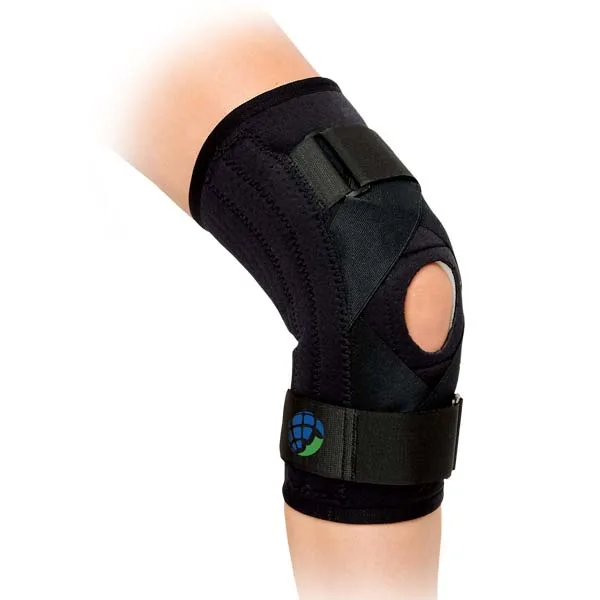
Deluxe Airprene Knee Brace
Spiral stays and a patella buttress add gentle structure on top of swelling control, a fit our specialists often match for meniscus recovery.
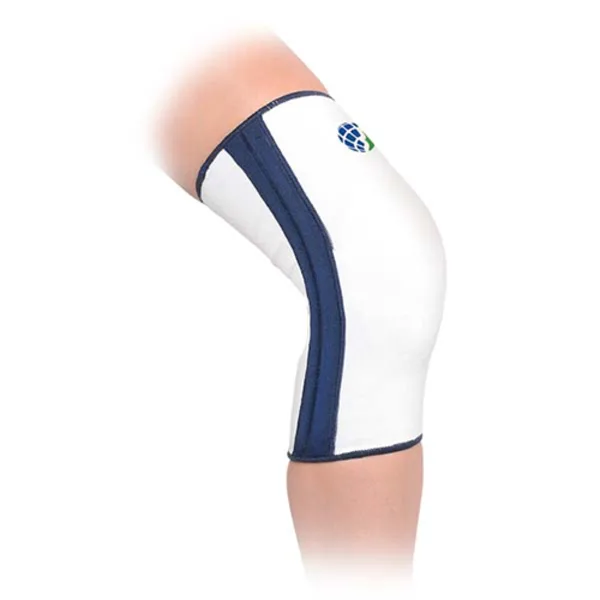
Visco-Gel Silicone Knee Brace
Anatomic compression with a silicone ring that disperses pressure, comfortable for all-day wear while a degenerative tear calms down.
Frequently asked questions
Can a meniscus tear heal on its own?
Tears in the outer third of the meniscus, which has blood supply, can heal, particularly in younger patients. The inner two-thirds has essentially no blood supply, so those tears do not knit back together; instead, the goal is a strong, calm knee that works well around the tear, which rehabilitation reliably delivers for most degenerative tears.
Should I avoid squatting forever?
No. Deep, loaded squatting is sensibly avoided while symptoms are active, but the long-term goal is a knee strong enough to squat through a comfortable range. Permanent avoidance weakens exactly the muscles that protect the joint.
What brace helps a meniscus tear?
A compression sleeve is the usual match: it manages swelling and sharpens joint position sense, which protects against the unguarded twist. A hinged brace earns a place when the tear coexists with instability or ligament injury. Braces do not heal the tear itself, and we will tell you that plainly.
My MRI shows a tear but my knee barely hurts. Do I need surgery?
Probably not. Meniscus tears are common incidental findings on MRI, especially past 50, and treating the image rather than the patient is a known trap. The decision should rest on your symptoms, exam, and response to rehab, not the report alone. Always review your specific case with your clinician.