1-800-555-0142 · Mon to Fri, 9am to 6pm ET
Brace type guide

Hinged knee braces: real stability for ligament injuries

A hinged brace puts rigid bars and mechanical hinges on both sides of your knee, taking over part of the job your collateral ligaments normally do: resisting sideways collapse. For the right knee, nothing else comes close. For the wrong knee, it is overkill you will stop wearing.

Athlete performing leg strengthening exercise in a gym

How a hinge actually protects you

The hinges sit at the joint line, aligned with the knee's natural axis, connected by rigid side bars anchored above and below the knee. When a sideways force hits, the bars take load that would otherwise strain healing ligaments. Meanwhile the hinge lets the knee bend and straighten freely, which matters because healing ligaments organize their new fibers along the lines of normal motion. Protection plus motion is the whole design philosophy.

Who genuinely needs one

  • MCL and LCL sprains: the clearest case in bracing. The bars shield the healing ligament from the exact stress that injured it.
  • ACL injuries: support during rehab and return to activity, especially for knees that feel untrustworthy.
  • Knee instability: mechanical backup for ligament-deficient knees at work and on uneven ground.
  • Return to sport: a confidence and protection layer for the first season back.

Who probably does not

  • Kneecap pain and tendonitis: targeted patella supports do this job better and lighter.
  • General arthritis ache without instability: start with a compression sleeve and strength work.
  • Prevention on a healthy knee: evidence for prophylactic hinged bracing is mixed; training quality protects better.

Choosing between hinge designs

Pull-on vs wrap-around: wrap-around designs open flat and close around the leg, a major comfort win for swollen, painful, or post-op knees and for anyone with limited mobility. Pull-on designs are sleeker under clothes once the knee tolerates dressing normally.

Universal vs sized: universal braces adjust over a wide range and forgive measurement error; sized braces reward an accurate measurement with a closer fit. Either way, measure with our sizing guide before ordering.
Models our specialists match in this category

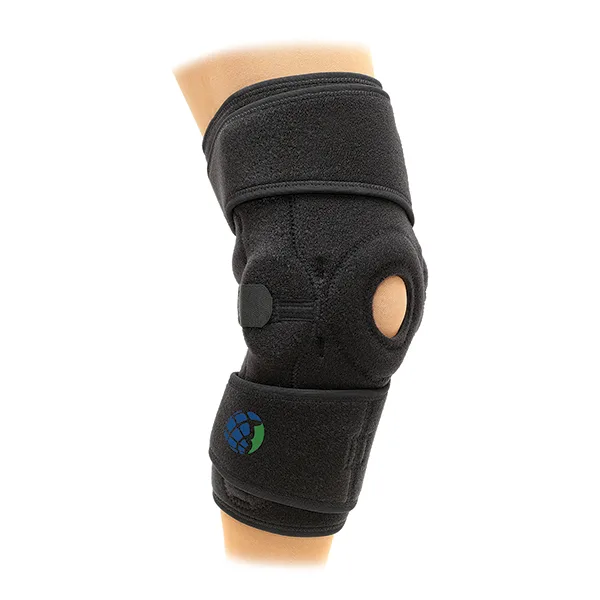
Deluxe Hinged Knee Brace product photo

Deluxe Hinged Knee Brace

Maximum supportLigament injuriesPost-injury return

Dual aluminum hinges with medial and lateral support, full-circumference compression, and an open patella design for all-day stability.

Cross-Fit Universal Hinged Knee Brace product photo

Cross-Fit Universal Hinged Knee Brace

Maximum supportOne size adjustableACL and MCL support

Universal-fit hinged brace with adjustable straps above and below the joint line. Fits left or right knee, sized by simple circumference measurement.

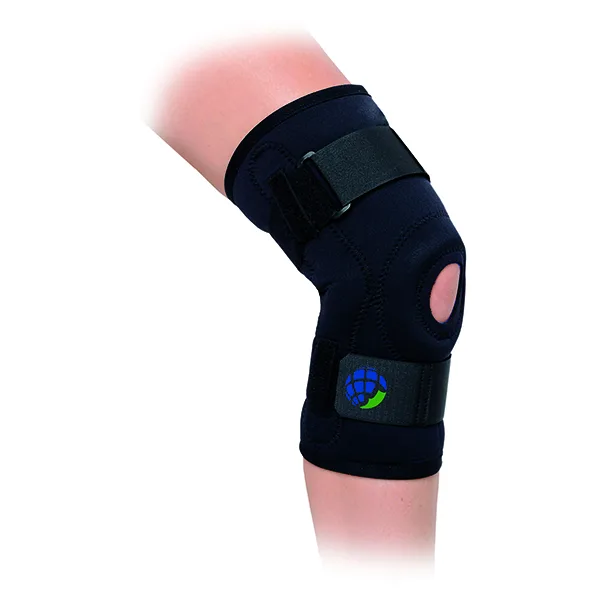
Gator Wrap Universal Hinged Knee Brace product photo

Gator Wrap Universal Hinged Knee Brace

Maximum supportWrap-around fitEasy on and off

Wrap-around hinged design that goes on without pulling over the foot, ideal for swollen knees, post-procedure use, and limited mobility.

Frequently asked questions

Can I wear a hinged knee brace all day?

Yes, once it fits correctly. A well-fitted hinged brace should be snug enough not to migrate but never numb or tingle. Most patients wear them through work shifts and sport. Expect an adjustment period of a few days, and take it off for sleep unless your clinician directs otherwise.

Will a hinged brace fit under my clothes?

Under straight-leg work pants and joggers, generally yes; under slim cuts, no. Low-profile pull-on designs hide best. Many patients size pants around the brace for the recovery months and consider it a fair trade for a knee that does not buckle.

Hinged brace or knee sleeve: how do I decide?

One question does most of the work: does the knee need protection from sideways stress or giving way? If yes, hinge. If the need is warmth, mild swelling control, and confidence, a sleeve does it with less bulk. Our full comparison guide walks through the cases.

Do hinged braces weaken your leg?

Not when paired with rehab. The brace resists sideways stress; it does not do your quadriceps' job of straightening and stabilizing under load, so your muscles keep working while you wear it. Atrophy happens when people stop moving, not because they brace while moving.

Keep reading

Not sure which brace your knee needs?

Answer five quick questions and get a clinician-informed recommendation, plus a free fit consultation with a bracing specialist.

Medical disclaimer: Content on OrthoKneeBrace.com is for education only and is not a substitute for professional medical advice, diagnosis, or treatment. Always consult a qualified clinician about your injury, and call 911 for emergencies. Product and coverage details should be verified with your insurer and provider.