
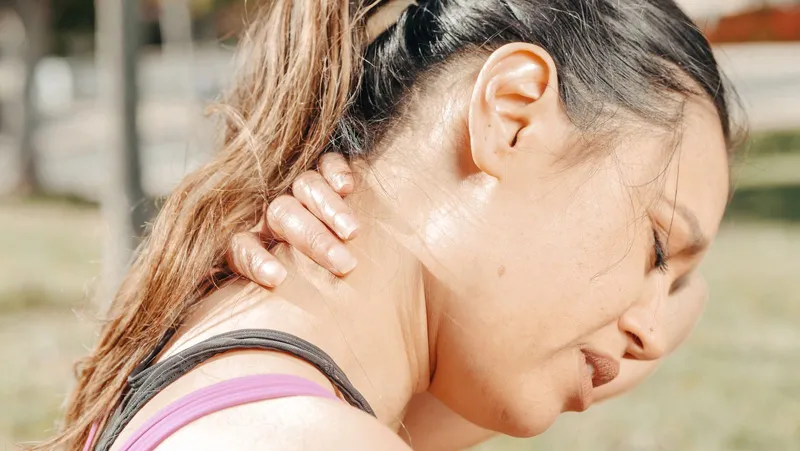
Three different kinds of giving way
1. Ligamentous instability. After an ACL or collateral ligament injury, the knee's passive restraints are loose. The collapse typically happens during pivots, direction changes, and uneven ground. This is true mechanical instability.
2. Patellar instability. The kneecap subluxates or dislocates from its groove, classically in younger patients during twisting movements, often with a history of a full dislocation. The "giving way" is the kneecap escaping, not the whole joint.
3. Reflexive buckling. Pain or swelling inhibits the quadriceps for a split second and the knee folds, common with arthritis, after surgery, and during flares. The structures are intact; the muscle control faltered.
An exam distinguishes these reliably, which is why recurrent buckling deserves a clinical assessment rather than guesswork.
Why it matters: falls and re-injury
Instability is not just a nuisance symptom. Buckling episodes cause falls, and each giving-way event risks new cartilage and meniscus damage. In older adults, an unstable knee is a meaningful fall hazard on stairs. Treating instability is therefore prevention, not comfort.
Restoring trust in the knee
- Strength and balance training helps all three types: the quadriceps and hips are the active stabilizers that catch the knee when passive structures cannot.
- Hinged bracing for ligamentous instability adds mechanical side support and measurable confidence on unpredictable terrain and at work.
- Patellar stabilizing braces with a lateral buttress resist the kneecap's escape path during the high-risk twisting moments.
- Treat the underlying driver: arthritic flares, post-op weakness, or an unreconstructed ACL each have their own path; bracing buys safety while the cause is addressed.
Bracing options our specialists match for this condition
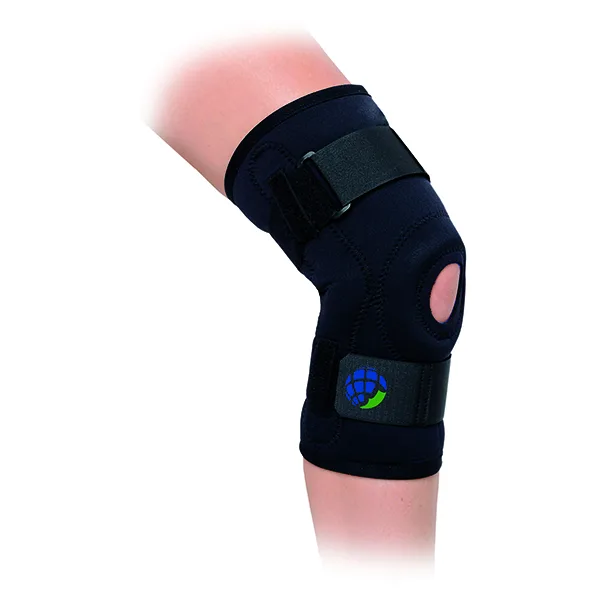
Deluxe Hinged Knee Brace
Mechanical side support for ligament-deficient knees, with full compression for joint awareness.
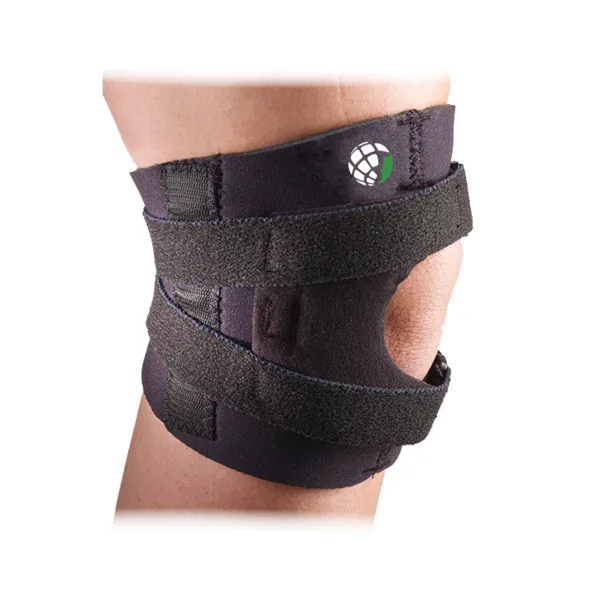
Patella Tracer PF Knee Brace
Lateral buttress resists kneecap escape for patellar instability patterns.
Frequently asked questions
Why does my knee buckle randomly with no injury history?
The most common pattern without trauma is reflexive buckling: pain, swelling, or quadriceps weakness briefly switches off the muscle holding you up. It is common with arthritis and after long inactivity. Strengthening usually improves it substantially, but new, frequent buckling deserves an exam to rule out mechanical causes.
Which brace stops a knee from giving way?
It depends on the mechanism. Ligament-deficient knees do best with hinged braces that resist sideways collapse. Kneecap instability calls for a patella stabilizer with a lateral buttress. Reflexive buckling responds best to strengthening, with a compression sleeve improving the joint awareness that helps the muscle fire on time. This is exactly what our Brace Finder sorts out.
Can I work on ladders and stairs with an unstable knee?
Treat that combination with respect: buckling on a ladder or stairs is how instability turns into serious injury. Until the knee is assessed and supported, minimize exposure, use handrails, and consider a hinged brace for work hours. Many of our trade and industrial patients brace for exactly this reason.