
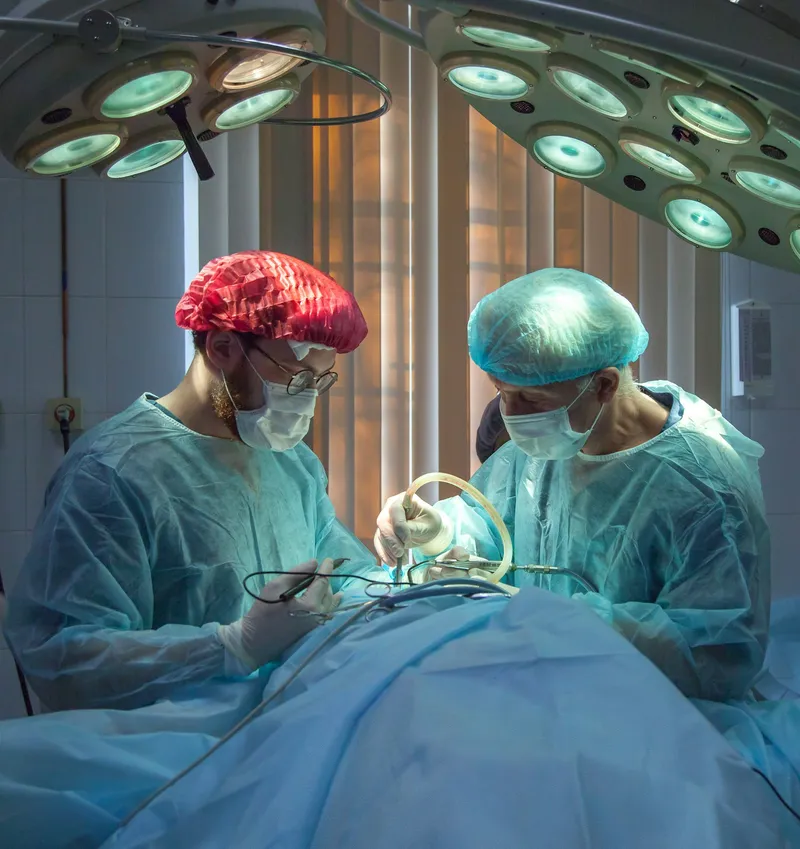
The first two weeks: protect the work
Right after surgery the priorities are unglamorous and critical: control swelling, protect the repair, and keep the quadriceps from going fully offline. Your surgeon's protocol governs everything in this window, including whether you wear an immobilizer or a hinged brace locked in extension, and how much weight the leg may take.
- Elevation and cold therapy on a regular schedule, not just when it aches
- Brace or immobilizer worn exactly as prescribed, including at night when directed
- Quad sets and ankle pumps from day one unless told otherwise
- Incision care and watching for warning signs listed below
The middle phases: motion, then strength
Motion phase (roughly weeks 2 to 6): the knee must learn to bend and fully straighten again. Full extension is non-negotiable; a knee that loses its last few degrees of straightening walks poorly for months. Protocols often transition from immobilizer to a hinged brace with progressively unlocked range here.
Strength phase (roughly weeks 6 to 16): with the repair maturing, progressive loading rebuilds the quadriceps, hamstrings, and hips. Expect the strange phase where the knee looks normal but fatigues quickly; that is tissue physiology, not failure.
Return phase (months 4 and beyond): running, agility, and sport or job-specific demands return on a testing basis. The calendar suggests; strength and control testing decides.
How bracing needs change across recovery
| Phase | Typical protection | Job it does |
|---|---|---|
| Weeks 0 to 2 | Immobilizer or locked hinged brace | Holds extension, protects the repair during healing's most fragile window |
| Weeks 2 to 6 | Hinged brace, range progressively unlocked | Allows prescribed motion while blocking dangerous ranges |
| Weeks 6 to 16 | Hinged brace or supportive sleeve | Side protection and confidence during strength rebuilding |
| Return phase | Sleeve or sport brace per surgeon | Joint awareness and swelling control during peak loads |
Your surgeon's protocol always wins over any general guide, including this one. Bring questions to your post-op visits; protocols differ for good reasons.
Bracing options our specialists match for this condition
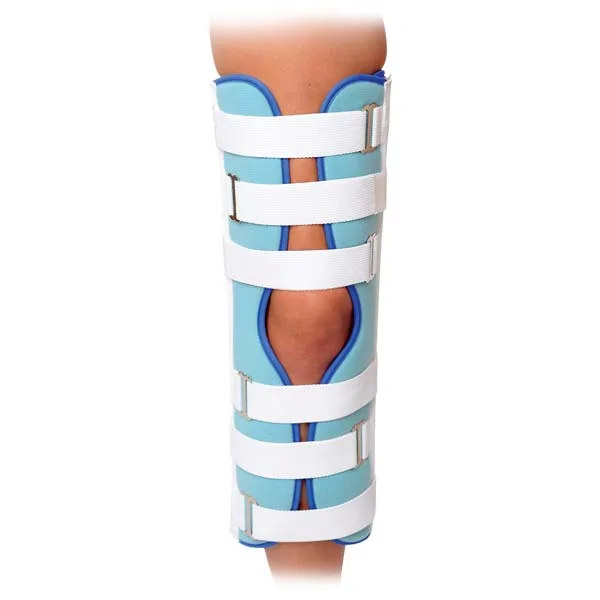
Tri-Panel Knee Immobilizer
Three-panel immobilizer holding full extension, the standard early-phase protection when your surgeon prescribes immobilization.
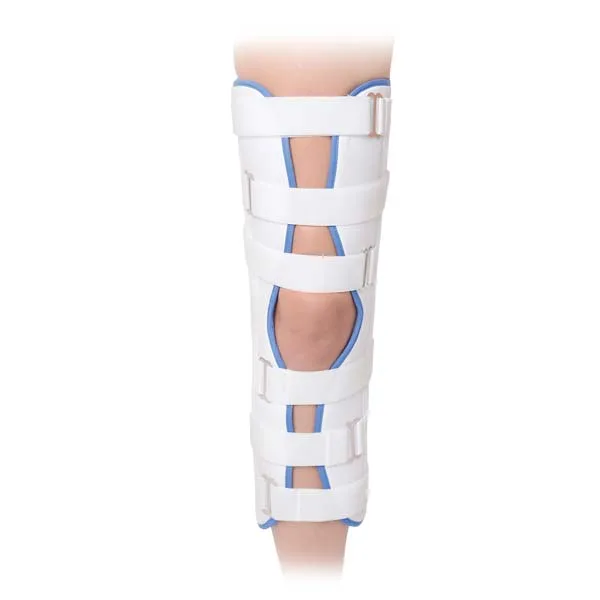
Premium Sized Knee Immobilizer
Length-sized immobilizer with contoured stays for precise fit through longer protection phases.
Frequently asked questions
How long will I wear a knee immobilizer after surgery?
Commonly one to six weeks depending on the procedure: shorter for simple arthroscopy when used at all, longer for repairs that must not be stressed early, like meniscus repairs and some ligament reconstructions. Your surgeon sets the schedule; our role is making sure the immobilizer fits well enough that you actually wear it.
Should I sleep in my brace?
If your surgeon says to, yes, typically in the early weeks to prevent unguarded movement during sleep. A well-fitted immobilizer makes this far more tolerable: padding at the edges, snug but not tight straps, and a pillow under the calf (not the knee) for comfort while keeping extension.
My knee is stiff and I am behind on the bend. Is it ruined?
Stiffness is the most common post-op frustration and usually responds to consistent, patient range work with your therapist. Flag it at your next visit rather than forcing it alone; surgeons monitor motion milestones closely and have escalation options. What you should not do is quietly stop doing the exercises.
Can I buy a post-op brace myself or does insurance handle it?
Both happen. Surgical practices often dispense the first brace and bill insurance with the appropriate L-code; patients also self-purchase replacements or step-down braces. Our insurance and HSA/FSA guide explains the codes and reimbursement paperwork, and our specialists help either way.