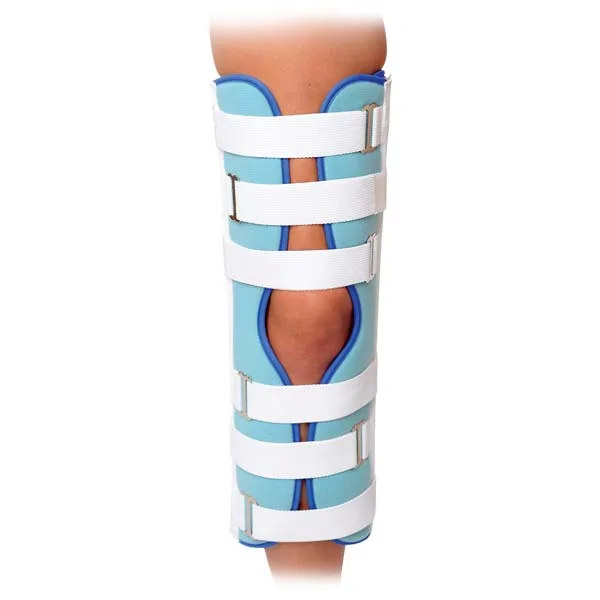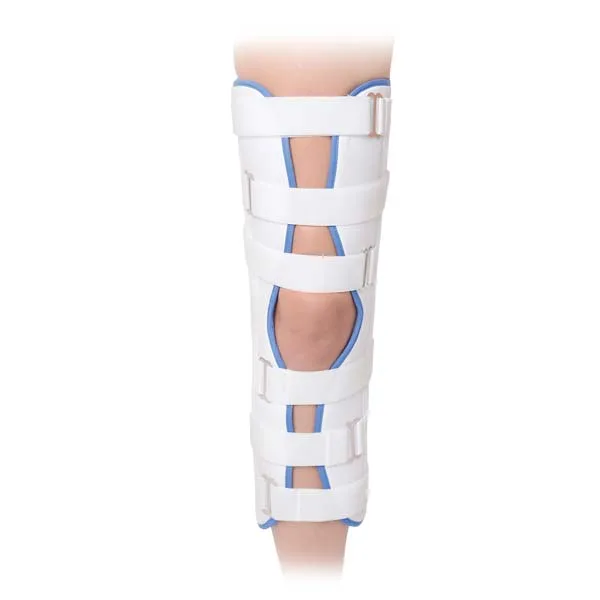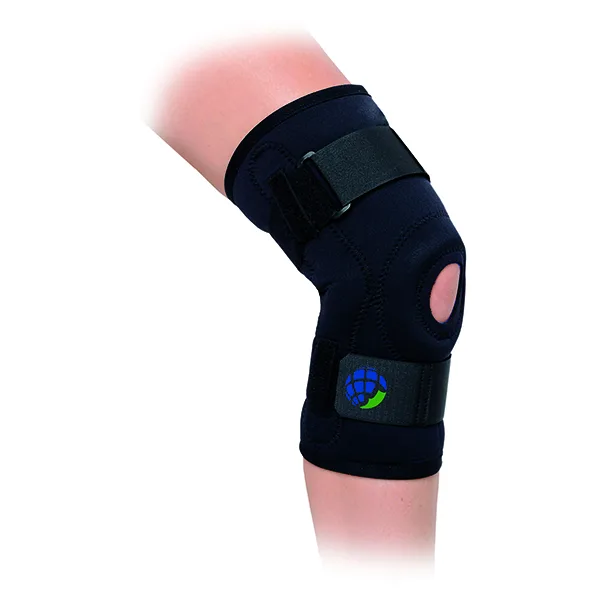

The three-stage protection sequence
- 1ProtectImmobilization, when prescribed
A rigid immobilizer holds full extension while the repair is most fragile, typically the first days to weeks depending on the procedure.
- 2ControlRange-controlled motion
Protocols then allow motion within limits, expanding as healing progresses. Hinged braces support the knee through this window while therapy restores bend and full straightening.
- 3SupportStep-down support
As strength returns, bulky protection gives way to a supportive sleeve for swelling control and joint awareness through the return phase.
Rules that keep recovery on track
- The protocol is law: your surgeon's wear schedule and range limits override every general guide, including ours.
- Fit drives compliance: a brace that pinches gets removed at home, silently. Fit problems are solvable; call us or your provider rather than tolerating or abandoning protection.
- Skin is data: check daily under straps and edges; persistent marks mean adjustment time.
- Bring the brace to follow-ups: surgeons adjust range settings and wear schedules at visits; the brace should be in the room.
Replacing or supplementing a dispensed brace
Practices often dispense the first post-op brace, billed through insurance with an HCPCS L-code. Patients come to us for better-fitting replacements, a second brace for hygiene rotation, or the step-down supports protocols call for later. Bring your protocol details and we will match within them, and coordinate with your surgical team when in doubt.