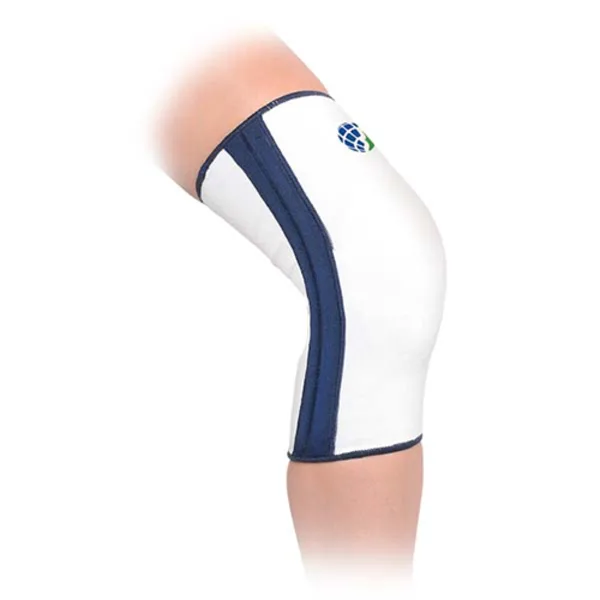

What compression genuinely does
- Swelling control: graduated pressure helps the joint clear fluid, and less effusion means better quadriceps activation, a real mechanical win.
- Proprioception: the fabric's contact sharpens your brain's sense of joint position, improving reaction time of the muscles guarding the knee. This is the best-documented sleeve benefit.
- Warmth: arthritic and stiff knees move better warm; neoprene and airprene retain therapeutic heat.
- Confidence: patients consistently report feeling steadier, which keeps them active, and activity is medicine.
What a sleeve cannot do
- Stabilize a ligament-deficient knee, that is hinge territory
- Hold a kneecap in its groove during dislocation-risk movements
- Heal a meniscus tear or regrow cartilage
Choosing a sleeve: the details that matter
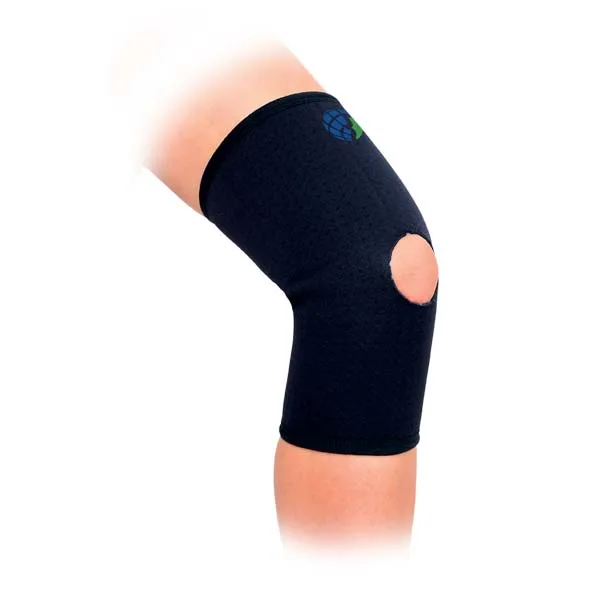
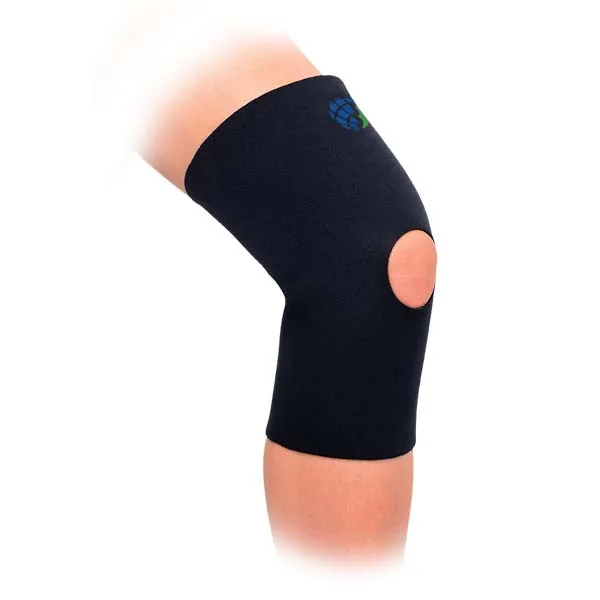
Open vs closed patella: an open design relieves direct kneecap pressure and helps mild tracking; closed designs spread compression evenly and feel warmer.
Fabric: knit sleeves breathe best for all-day and athletic wear; neoprene and airprene hold more warmth for arthritis and cold-environment work. Perforated airprene splits the difference.
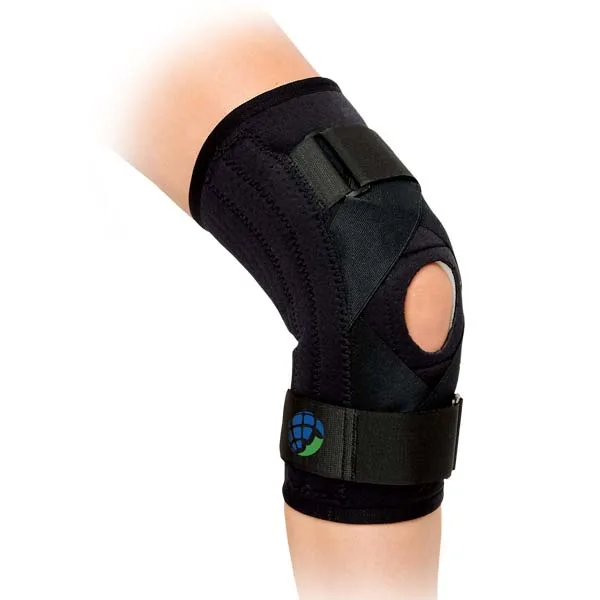
Features: spiral stays add gentle structure without a hinge; silicone rings (as in our Visco-Gel design) disperse kneecap pressure; gripper top bands stop the migration that makes people abandon sleeves.
Fit is everything: a sleeve a size too big does roughly nothing, and one too small becomes a tourniquet by lunch. Two minutes with our sizing guide prevents both.