1-800-555-0142 · Mon to Fri, 9am to 6pm ET
Brace type guide

Patella straps and stabilizer braces: targeted kneecap relief

Kneecap problems are local problems, and they respond to local solutions. A slim strap below the kneecap solves a different problem than a buttressed stabilizer sleeve, and knowing which is which saves you money and frustration.

The patellar strap: small, cheap, effective

A strap wraps just below the kneecap, compressing the patellar tendon. That compression changes the angle and distribution of force where the tendon attaches, which is precisely the sore spot in jumper's knee. Many athletes feel the difference on the first jump. It is one of the best value-per-dollar items in orthopedics: slim enough for any uniform, simple enough to fit in seconds.

Best for: patellar tendonitis, Osgood-Schlatter in adolescents, and runners whose pain localizes to the tendon below the kneecap.

The tracking stabilizer: guidance for a wandering kneecap

A stabilizer brace surrounds the knee with a sleeve and adds a buttress, usually a horseshoe or ring of firm material beside the kneecap, that physically discourages the kneecap from drifting out of its groove. Quality designs like our Patella Tracer make the buttress dynamic, increasing resistance as the kneecap pushes laterally.

Best for: patellofemoral pain with clear tracking signs, kneecap subluxation history, and instability patterns where the kneecap is the escape artist.

Deciding in one minute

Your situationLikely matchWhy
Pinpoint pain below the kneecap on jumps and stairsPatellar strapDirect tendon compression at the pain generator
Diffuse ache behind the kneecap, worse with sitting and hillsStrap or stabilizerStart simple; escalate if tracking signs appear
Kneecap has dislocated or feels like it slidesTracking stabilizerThe buttress resists the escape path
Grinding arthritis behind the kneecapSleeve with silicone ringDisperses pressure without bulk

Models our specialists match in this category

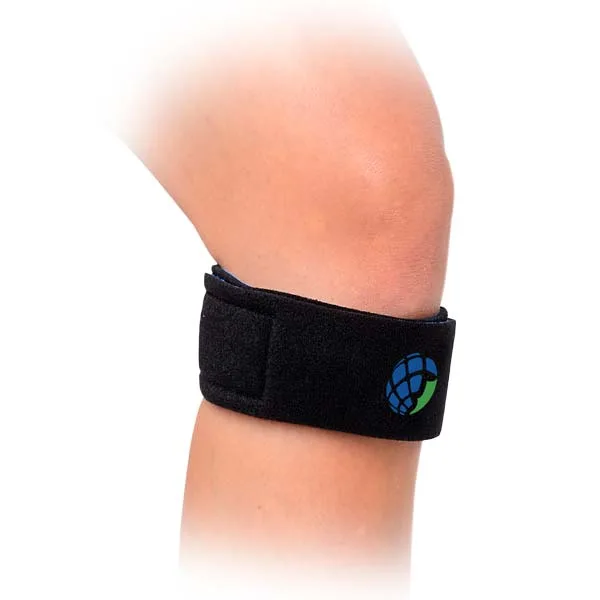
Patella Knee Strap product photo

Patella Knee Strap

Targeted supportJumper's kneeRunner's knee

Focused compression on the patellar tendon to reduce traction pain from running and jumping. Slim enough to wear under clothing.

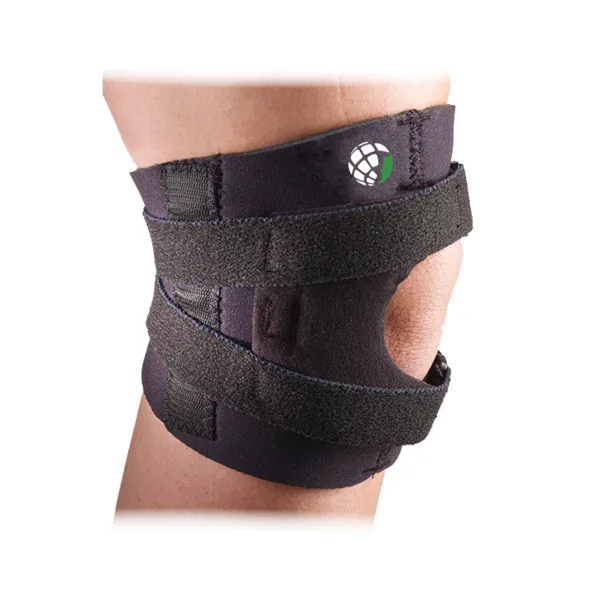
Patella Tracer PF Knee Brace product photo

Patella Tracer PF Knee Brace

Moderate supportPatellar trackingDislocation history

Dynamic lateral buttress guides the kneecap through its groove, built for patellofemoral pain and tracking disorders.

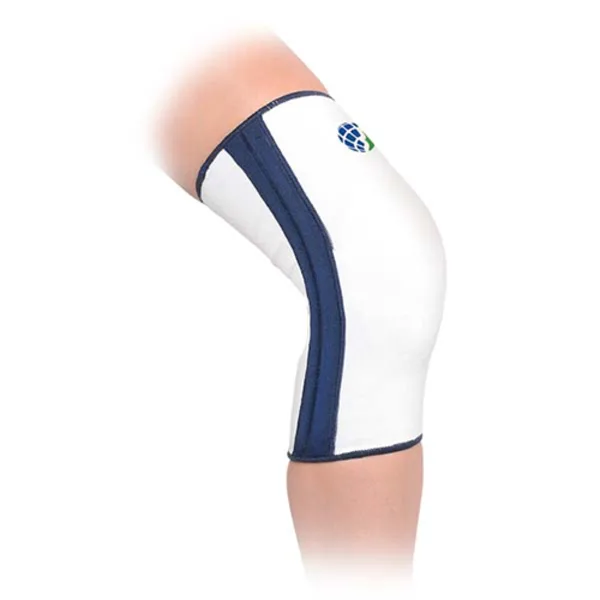
Visco-Gel Silicone Knee Brace product photo

Visco-Gel Silicone Knee Brace

Moderate supportSilicone patella ringArthritis comfort

A viscoelastic silicone ring surrounds the kneecap to disperse pressure and improve tracking, set in an anatomically knit compression sleeve.

Frequently asked questions

Where exactly does a patella strap sit?

Directly on the patellar tendon, in the soft gap between the bottom of the kneecap and the bump on your shin bone. Snug enough to apply clear pressure, never tight enough to throb. Most straps adjust in seconds and you will feel quickly whether the position is right: pain on stairs should noticeably ease.

Can a strap make tendonitis worse?

Worn correctly, no; it is a pressure redistribution tool. The trap is using the pain relief to push training loads the tendon is not ready for, which worsens the underlying problem. Pair the strap with the loading rehab in our jumper's knee guide.

Do stabilizer braces prevent kneecap dislocations?

They reduce risk during the vulnerable movements by physically resisting lateral drift, and they meaningfully improve confidence after a dislocation. They cannot make the risk zero, and recurrent dislocators should have an orthopedic consult, since some anatomy-driven cases warrant surgical discussion.

Keep reading

Not sure which brace your knee needs?

Answer five quick questions and get a clinician-informed recommendation, plus a free fit consultation with a bracing specialist.

Medical disclaimer: Content on OrthoKneeBrace.com is for education only and is not a substitute for professional medical advice, diagnosis, or treatment. Always consult a qualified clinician about your injury, and call 911 for emergencies. Product and coverage details should be verified with your insurer and provider.