The mechanics, in one paragraph
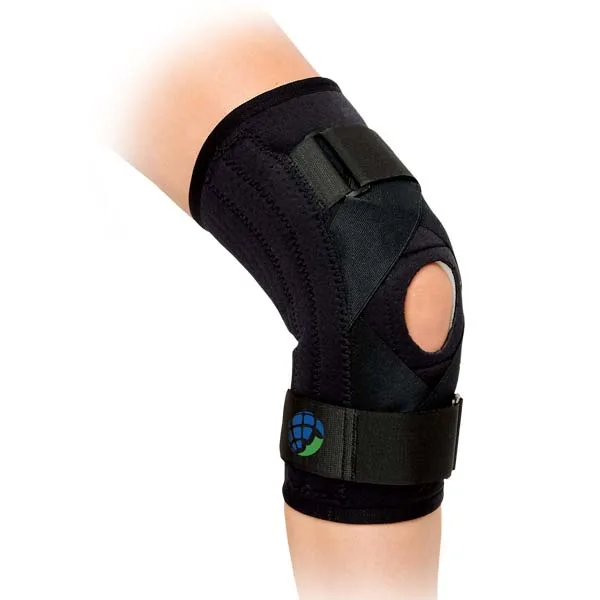
Most knee arthritis concentrates in the inner (medial) compartment, which carries the bigger share of load. An unloader brace anchors on the thigh and shin and applies a three-point bending force that nudges the joint a degree or two toward the healthier side. That small angular shift moves a meaningful fraction of each step's load off the painful, worn surface. Patients who respond describe it simply: walking stops costing so much.
Who genuinely benefits
- Arthritis confirmed to be predominantly one-compartment (your clinician or imaging tells you this)
- Pain clearly localized to one side of the knee, usually the inner side
- People wanting to delay or avoid surgery while staying active
- Knees that respond to the "thumb test" of manual unloading in clinic
Who should pause before spending
- Diffuse, whole-knee arthritis: there is no healthy compartment to shift load onto
- Primarily kneecap (patellofemoral) arthritis: different mechanics entirely
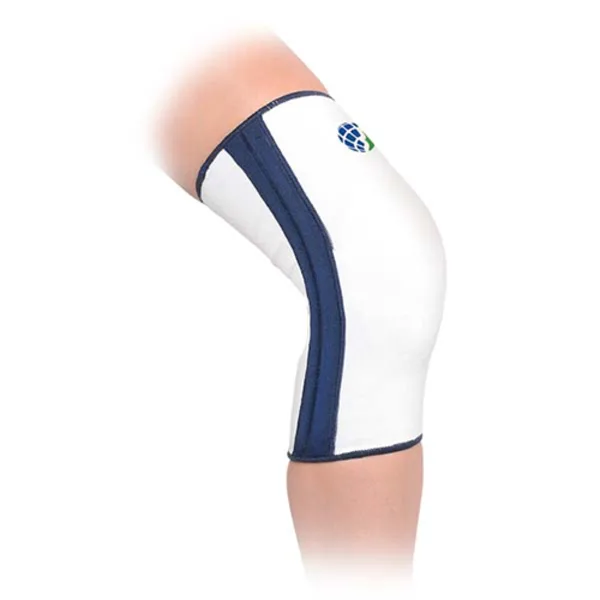
- Anyone who has not yet tried strengthening plus a quality compression sleeve, the cheaper combination that satisfies a large share of arthritic knees
Our honest recommended path
Start with the foundation: a strengthening program and a well-fitted compression support, plus weight management where it applies. Give it six to eight weeks. If pain remains clearly one-sided and limiting, that is when an unloader conversation, ideally with your clinician, earns its price tag. Insurance frequently covers unloaders for documented single-compartment osteoarthritis, and our insurance guide explains the paperwork.
We will match you either way: our Brace Finder flags arthritis patterns that fit the unloader profile, and our specialists will tell you plainly if a 35 dollar sleeve is the smarter first move. That honesty is the business model.